In 2026, with the support of generous partners and individuals, Together for Transformation Initiatives is evolving from a simple farm project into a multi-dimensional social enterprise through our Integrated Community Response Model, integrating climate action, resilient health, and sustainable livelihood programs, among others.
Vulnerabilities across Uganda's socio-ecological landscape are increasing in number, magnitude, and complexity, heavily concentrated in urban slums and rural farming communities. These areas house the poor, vulnerable, and marginalized—particularly women, sex workers, widows, youth, the elderly, disabled individuals, persons living with HIV/AIDS, and orphans and vulnerable children. The structural drivers of poverty are therefore deeply interconnected. Never has TTI's work been more relevant.
The complexity of our working environment is changing rapidly, but TTI remains resolute in its commitment to drive systematic transformation and long-term resilience; to ensure that youth, women, and subsistence farming households are equipped with hands-on skills; and to build robust circular bio-economy systems that enable communities to move permanently from vulnerability toward lasting self-reliance.
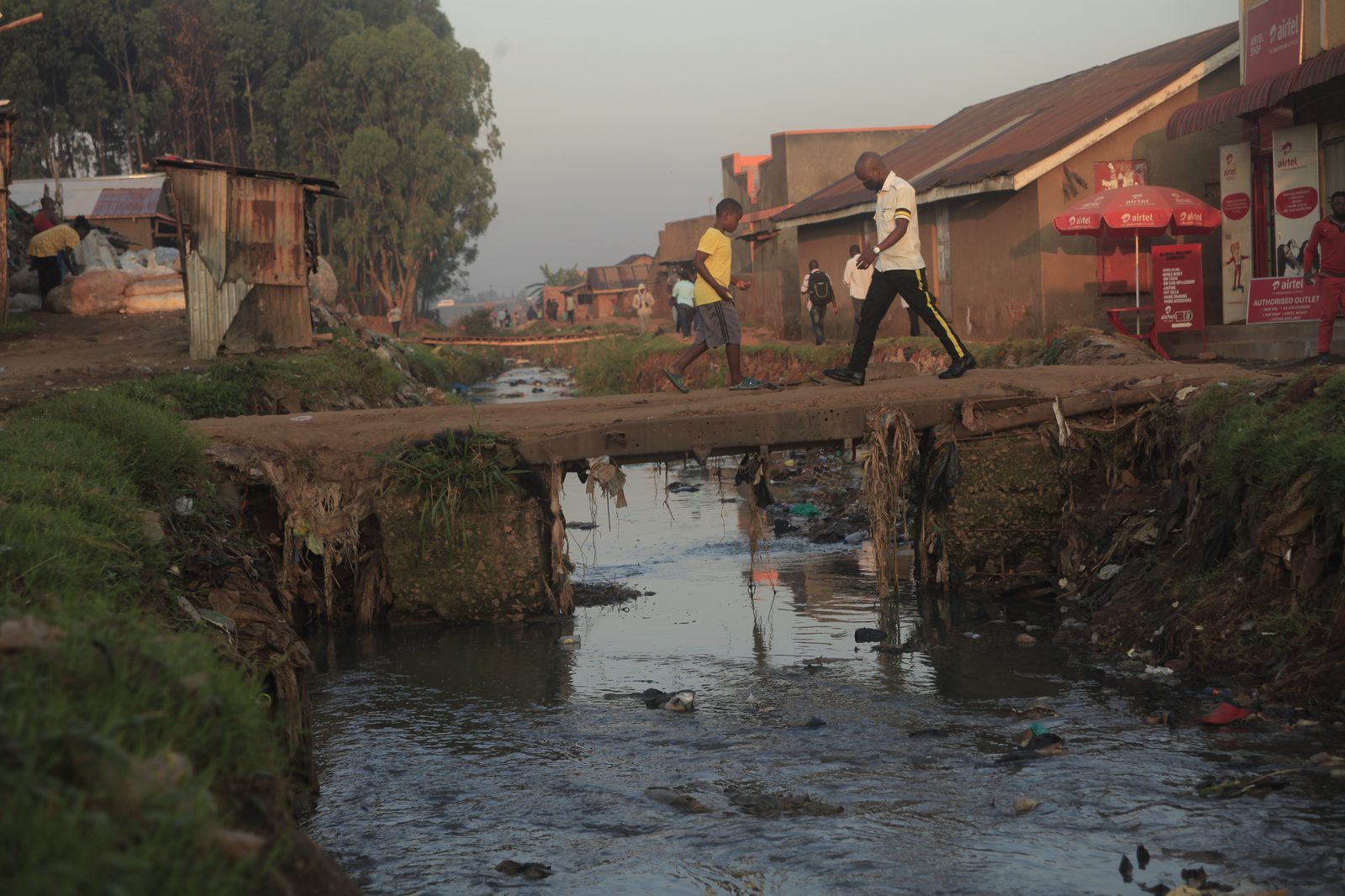
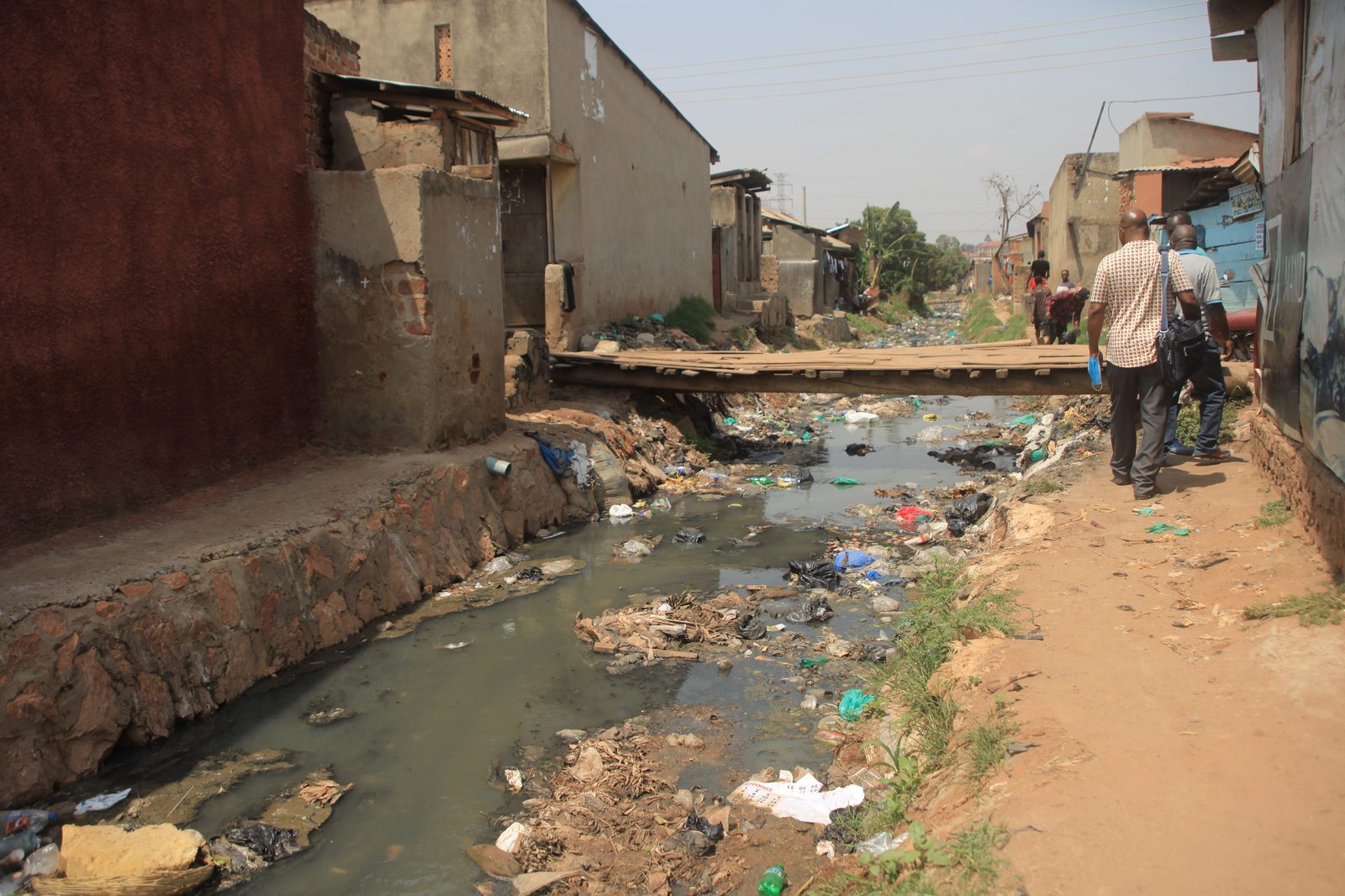
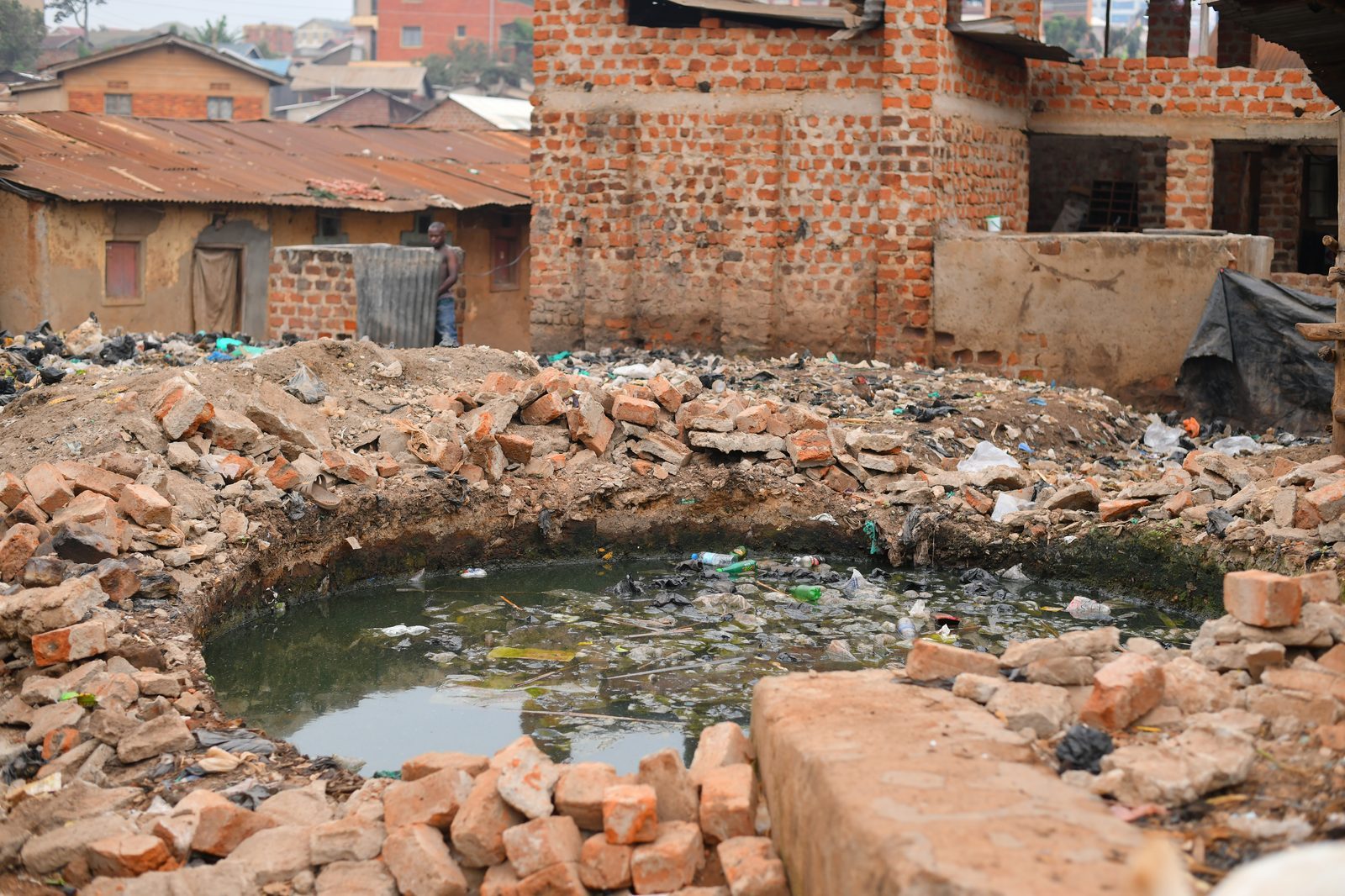
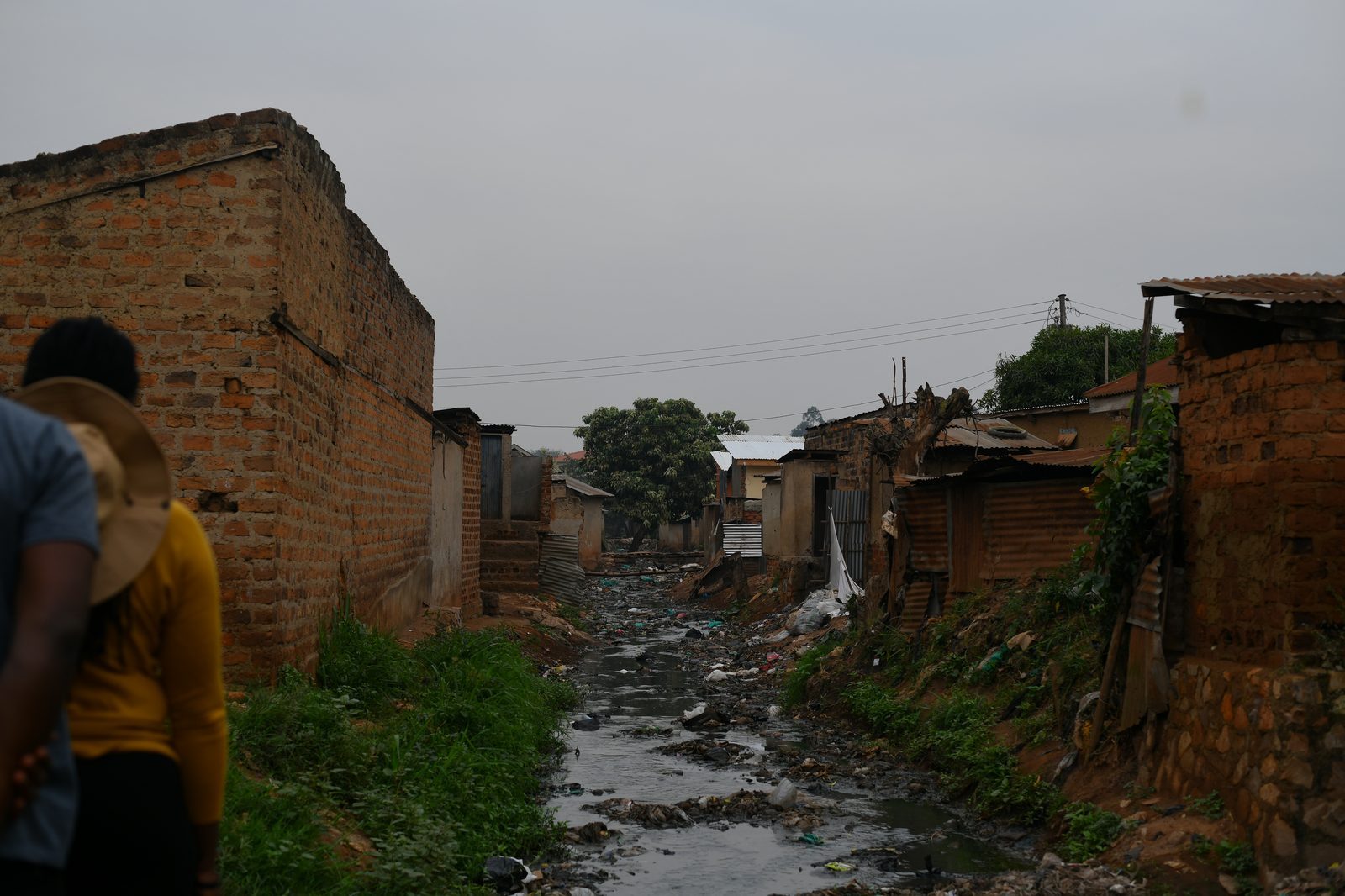
Over 6 to 8 million people live across urban informal settlements nationwide. An average household of 4 to 10 members crowds into small one- or two-roomed 6-square-meter mud-and-brick shacks, with female-headed households making up more than a quarter of the total.
Meanwhile, rural farming communities remain trapped in subsistence farming. 49% of youth are classified as Not in Education, Employment, or Training (NEET). 53% of households are losing up to 70% of their income to expensive imported synthetic farm inputs. Numbers continue to grow.
The complexity of our working environment is changing rapidly, but TTI remains resolute in its desire to carry out life-changing work.
The international community is increasingly recognizing that more must be done to move vulnerable populations exposed to structural shocks and ecological pressures beyond the cycle of acute vulnerability and toward long-term resilience. Key to achieving this is strengthening local capacities by deploying holistic interventions to stabilize and support community systems, enabling populations to transition securely from mere survival to lasting self-reliance.
This document outlines TTI's three strategic priorities and other programme priorities to strengthen our self-replenishing cycle of health and wealth, currently operationalized through our foundational hub infrastructure.
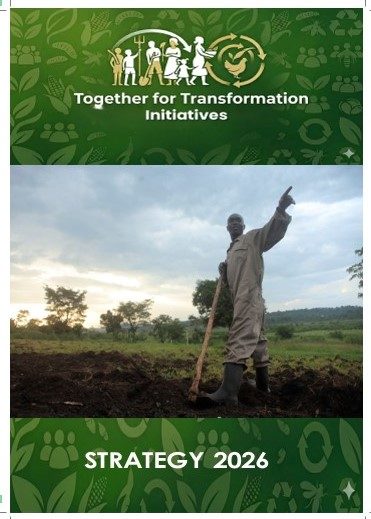
TTI's Strategy 2026 will be uploaded soon.